

Hey 你好 👋 I’m Tianlong.
Interactive experience designer
with an architecture background,
exploring perception and presence
across nature, humans, technology.
Interdisciplinary -
Experimental -
#Creative Tech
#Nature
#Material
#Graphic
Hey 你好 👋 I’m Tianlong.
Interactive experience designer
with an architecture background,
exploring perception and presence
across nature, humans, technology.
All projects

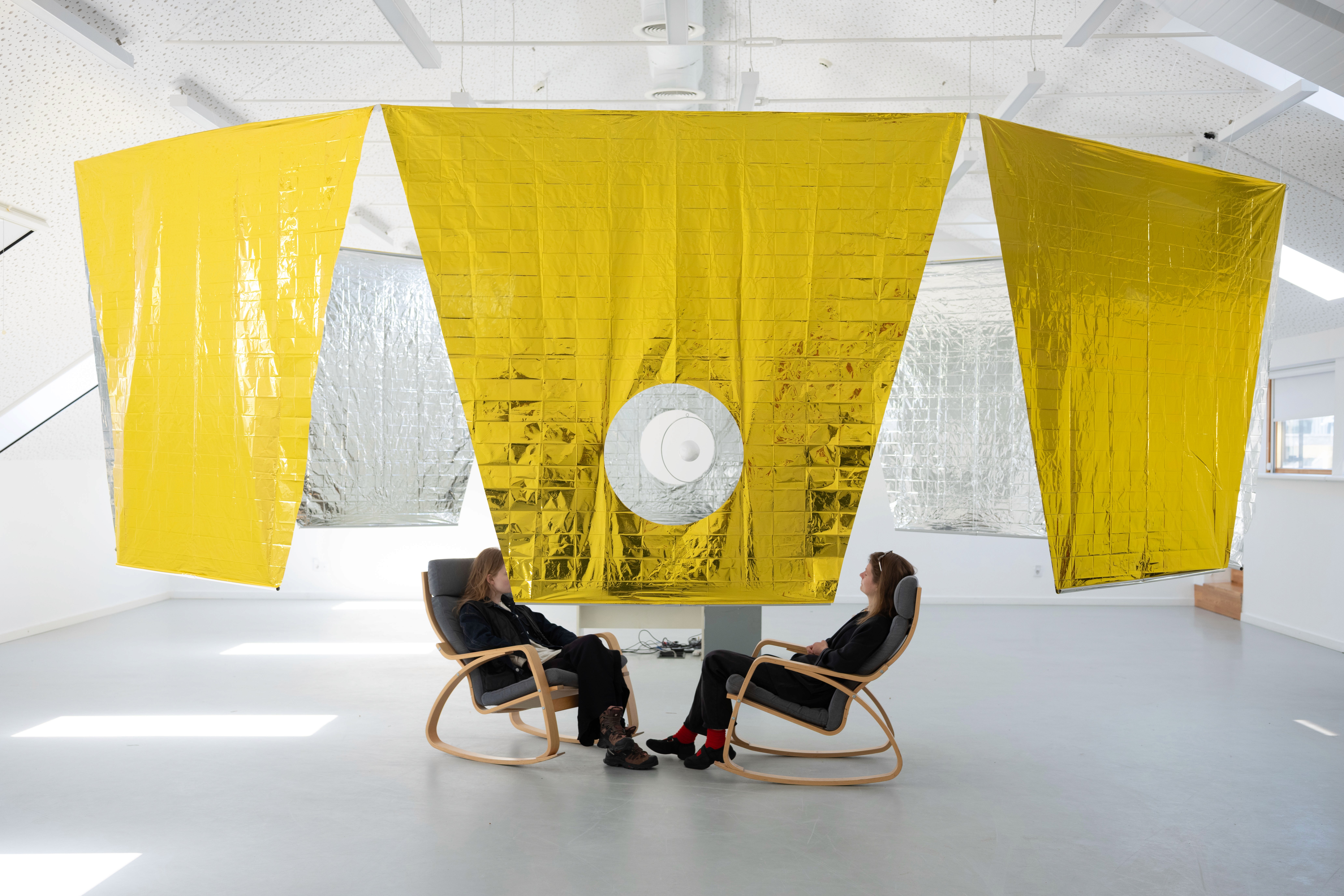
A research-driven spatial installation
exploring what allows moments of presence to emerge.
A research-driven spatial installation
exploring what allows moments of presence to emerge.
A research-driven spatial installation
exploring what allows moments of presence to emerge.
Brief:
Brief:
Brief:
Drawing on phenomenology, embodiment, and spatial interaction, this project explores how moments of presence can emerge rather than be designed as predefined outcomes. Through a series of spatial installations in both indoor and outdoor settings, it investigates how interaction design can help people reconnect with their bodies, perception, and the world around them.
Drawing on phenomenology, embodiment, and spatial interaction, this project explores how moments of presence can emerge rather than be designed as predefined outcomes. Through a series of spatial installations in both indoor and outdoor settings, it investigates how interaction design can help people reconnect with their bodies, perception, and the world around them.
Drawing on phenomenology, embodiment, and spatial interaction, this project explores how moments of presence can emerge rather than be designed as predefined outcomes. Through a series of spatial installations in both indoor and outdoor settings, it investigates how interaction design can help people reconnect with their bodies, perception, and the world around them.

Two-weeks design hackathon with
Constantin Schott, Mårten Malmnäs & Xiaoyu Yu
At Umeå Institute of Design
Residency at Krater Ecological Community Ljubljana, Slovenia
Practiced at Nida Art Colony, Lithuania
Residency at Krater Ecological Community Ljubljana, Slovenia
Practiced at Nida Art Colony, Lithuania
Residency at
Krater Ecological Community
Ljubljana, Slovenia
Practiced at
Nida Art Colony, Lithuania
Being presence
Being presence
Being presence
In everyday life, our attention is often drawn away from what is near towards distant sources of information, such as screens, notifications and social media. This can distance us from what is already here: our bodies, our surroundings and the situations we are already part of. Moments of presence are brief moments when attention shifts from thinking to sensing. They often happen unexpectedly, when the body, perception, and the surrounding environment come into alignment.
In everyday life, our attention is often drawn away from what is near towards distant sources of information, such as screens, notifications and social media. This can distance us from what is already here: our bodies, our surroundings and the situations we are already part of. Moments of presence are brief moments when attention shifts from thinking to sensing. They often happen unexpectedly, when the body, perception, and the surrounding environment come into alignment.
In everyday life, our attention is often drawn away from what is near towards distant sources of information, such as screens, notifications and social media. This can distance us from what is already here: our bodies, our surroundings and the situations we are already part of. Moments of presence are brief moments when attention shifts from thinking to sensing. They often happen unexpectedly, when the body, perception, and the surrounding environment come into alignment.
What allows a moment of presence to emerge?
What allows a moment of presence to emerge?
What allows a moment of presence to emerge?
This project follows a Research through Design approach, focusing on exploring and shaping conditions through iterative making, observation, and reflection. It investigates how space, movement, materials, and interaction can invite people to slow down, notice their surroundings, and reconnect with the present.
This project follows a Research through Design approach, focusing on exploring and shaping conditions through iterative making, observation, and reflection. It investigates how space, movement, materials, and interaction can invite people to slow down, notice their surroundings, and reconnect with the present.
This project follows a Research through Design approach, focusing on exploring and shaping conditions through iterative making, observation, and reflection. It investigates how space, movement, materials, and interaction can invite people to slow down, notice their surroundings, and reconnect with the present.


Final outcomes
Final outcomes
Final outcomes
The project revealed that different environments invite different forms of presence: outdoor settings encourage direct sensory engagement with natural phenomena, while indoor environments rely more on atmosphere, memory and symbolic association.
The project revealed that different environments invite different forms of presence: outdoor settings encourage direct sensory engagement with natural phenomena, while indoor environments rely more on atmosphere, memory and symbolic association.
The project revealed that different environments invite different forms of presence: outdoor settings encourage direct sensory engagement with natural phenomena, while indoor environments rely more on atmosphere, memory and symbolic association.


Welcome to read full research report here:
Welcome to read full research report here:
Welcome to read full research report here:
Download report
Download report
Download report